
Pebble Tec vs Pebble Sheen: Which Pool Finish Is Better for a Southern California Concrete Pool?
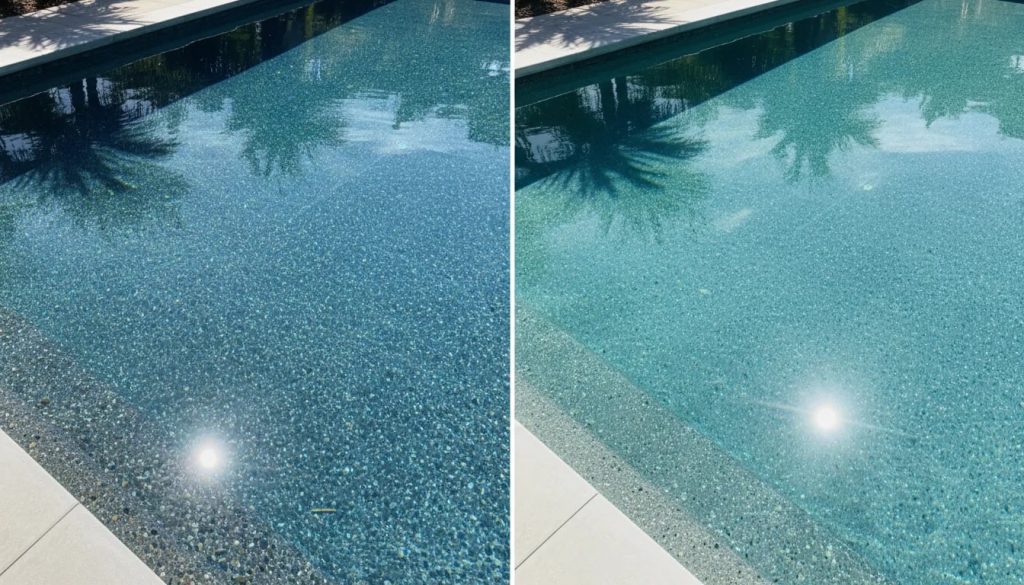
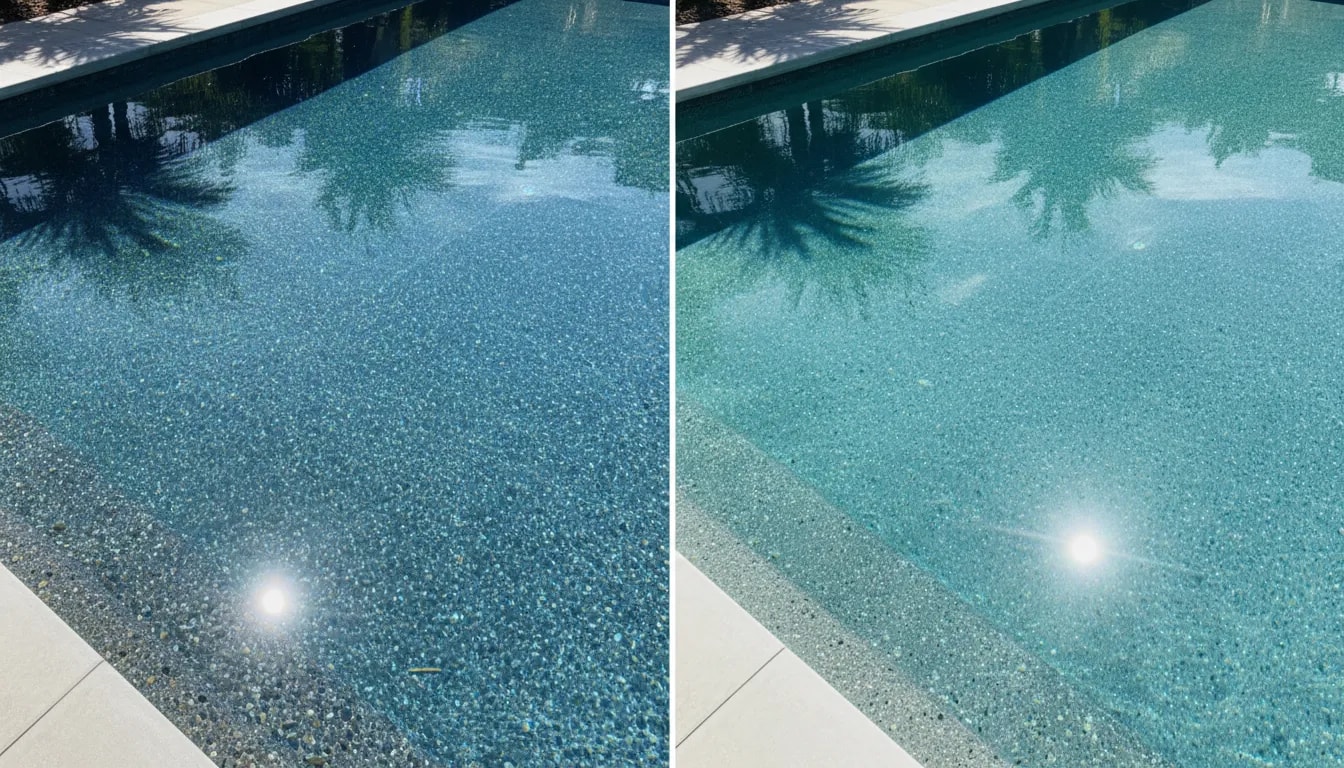
A concrete pool finish affects far more than color. It shapes how the water looks, how the surface feels underfoot, how long the interior lasts, and how often a homeowner may need repairs or resurfacing. For Southern California homeowners planning a new inground pool or renovating an older gunite pool, Pebble Tec and Pebble Sheen are two of the most discussed premium finish options for good reason.
Both finishes have been used for decades and are widely considered top-tier choices for durability, appearance, and long-term reliability. The biggest tradeoff is cost. Compared with standard plaster, pebble finishes usually require a much larger upfront investment. For homeowners who want a premium interior surface and plan to keep their pool for years, that extra cost can make sense.
This comparison breaks down the real differences between Pebble Tec and Pebble Sheen, how they compare to plaster, and what Orange County homeowners should consider before resurfacing or building a custom concrete pool.
What Are Pebble Tec and Pebble Sheen?
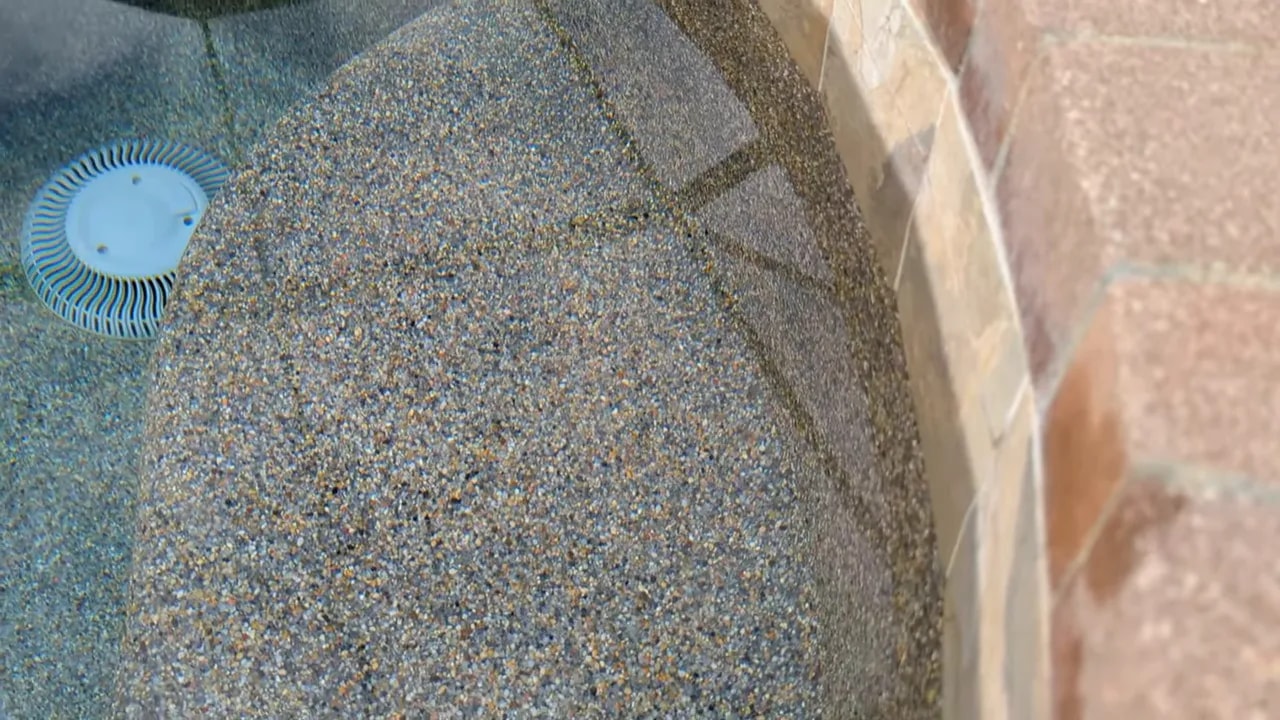
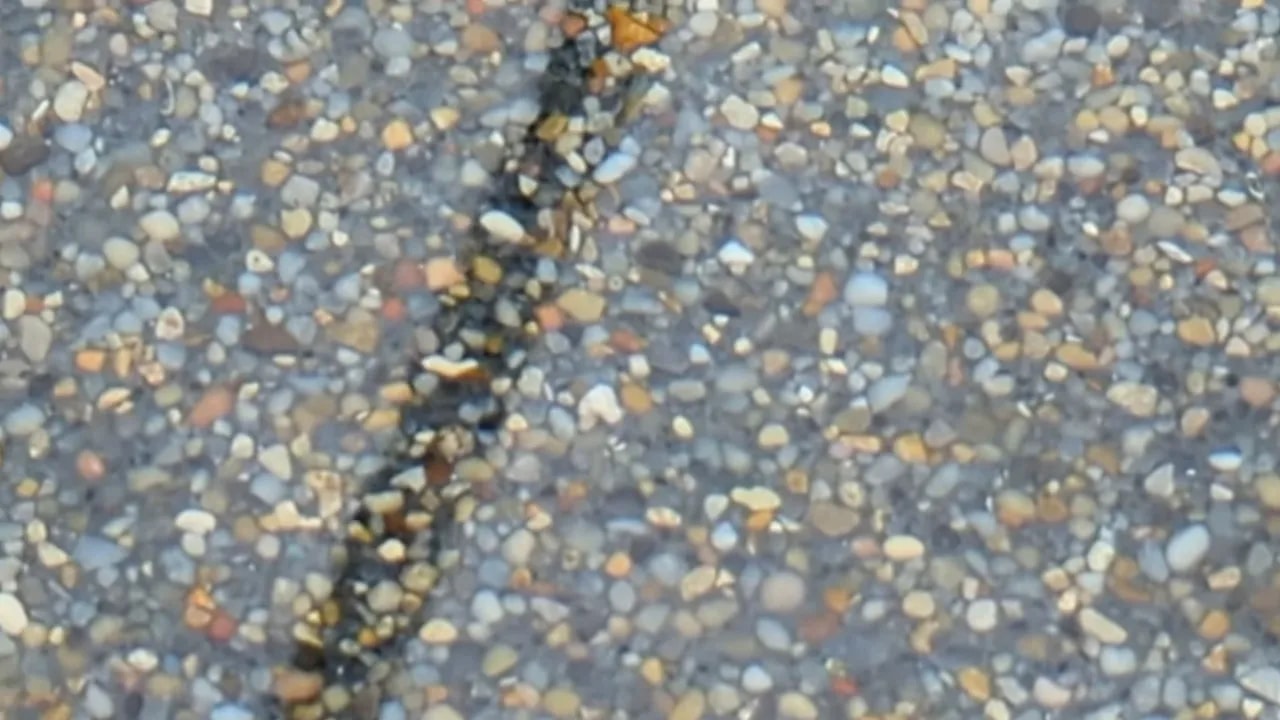
Pebble Tec and Pebble Sheen are exposed aggregate pool finishes used on concrete and gunite pools. These finishes typically combine natural pebbles with other materials such as glass beads, and in some blends, even seashell elements to create a textured, decorative, long-lasting interior surface.
They are often chosen by homeowners who want a finish that delivers:
- High-end appearance
- Strong durability
- Reliable long-term performance
- Good resistance to chemical wear
In practical terms, these finishes sit in the premium tier of pool interiors. They are commonly selected for custom backyard projects where the finish needs to support both aesthetics and longevity.
The Main Difference Between Pebble Tec and Pebble Sheen
The core difference is simple: pebble size.
- Pebble Tec uses larger pebbles.
- Pebble Sheen uses the same general finish technology, but with smaller stones.
That difference in aggregate size changes the final look and feel of the pool.
Pebble Tec
Pebble Tec tends to create a more textured surface with a more pronounced natural-stone appearance. Many homeowners like the bold, upscale look, especially in freeform or resort-style pool designs.
Pebble Sheen
Pebble Sheen offers a smoother visual texture because the stones are smaller. It still provides the character of a pebble finish, but with a more refined surface appearance.
For many families, this is the deciding factor. If the goal is a premium finish with a slightly softer look and feel, Pebble Sheen often stands out.
How Do These Finishes Feel Underfoot?
Surface texture matters, especially for households with children, older adults, or anyone who spends long periods standing on tanning ledges, steps, or shallow-end floors.
Pebble Tec can feel rougher on feet because of its larger exposed stones. That does not make it a bad finish, but it is a real comfort consideration.
Pebble Sheen generally feels smoother because of its smaller aggregate.
This is one reason some homeowners still choose plaster. Standard plaster can feel softer underfoot than a pebble finish, even though it usually does not match pebble products for lifespan or premium appearance.
Pebble Tec and Pebble Sheen vs Plaster
For most homeowners comparing finishes for a concrete pool, the real decision is not just Pebble Tec versus Pebble Sheen. It is often pebble finish versus plaster.
Cost Comparison
Based on the available figures, standard plaster averages around $4 per square foot, while Pebble Tec or Pebble Sheen can run $10 per square foot or more.
That means pebble finishes may cost more than double the price of plaster depending on the project.
Expected Durability
- Pebble Tec or Pebble Sheen: roughly 20 to 25 years before repairs may be needed
- Plaster: often around 12 to 15 years on average
That longer service life is a major reason many homeowners accept the higher upfront price of a pebble surface.
Best Use Cases
- Plaster may suit homeowners focused on lower initial cost and a smoother feel.
- Pebble finishes may suit homeowners prioritizing long-term durability, premium appearance, and chemical resilience.
Those exploring finish options for a remodel can compare broader material choices in Pool Resurfacing Options for Tustin Homeowners.
Why Many Southern California Homeowners Choose Pebble Finishes
In Orange County and surrounding coastal markets, homeowners often treat the backyard as a year-round living space. A pool is not just a summer feature. It becomes part of the property’s architecture, entertaining setup, and long-term value. That makes finish selection especially important.
Pebble finishes are often favored in Southern California concrete pool projects because they offer a strong blend of beauty and lifespan. On a custom gunite pool, the interior surface is one of the most visible choices a homeowner makes. A premium finish can help the pool feel more custom and less builder-grade.
For homeowners researching custom pool construction, finish selection is usually one of the final decisions that shapes the project’s overall character.
Companies focused on premium concrete pools, including Werth Builders, often see homeowners weigh finish decisions alongside tile, coping, deck material, water color, and long-term maintenance goals.
When Pebble Sheen May Be the Better Choice
Pebble Sheen may be a better fit when a homeowner wants the benefits of a pebble finish without the more pronounced texture of larger stones.
It is often a strong option for:
- Families who prioritize comfort
- Homeowners who want a more refined texture
- Pool designs where a smoother-looking interior suits the aesthetic
- Resurfacing projects that aim to upgrade from plaster while keeping a more polished feel
In many cases, it appeals to homeowners who want premium performance but do not want the rougher sensation associated with larger pebble interiors.
When Pebble Tec May Be the Better Choice
Pebble Tec may be the better choice when a homeowner wants a bolder aggregate look and is comfortable with a more textured surface.
It is often a good fit for:
- Natural-style or lagoon-inspired pool designs
- Homeowners prioritizing rugged durability
- Projects seeking a more dramatic stone-like texture
- Luxury backyard environments where finish character matters as much as water color
The visual impact can be striking, particularly in larger custom concrete pools where finish texture becomes part of the overall design language.
How to Decide Between Pebble Tec, Pebble Sheen, and Plaster
For most homeowners, the best decision comes down to budget, comfort, and priorities.
A simple decision framework
- Choose plaster if the main goal is keeping initial resurfacing or construction cost lower.
- Choose Pebble Sheen if the goal is a premium finish with a finer texture.
- Choose Pebble Tec if the goal is premium durability and a more pronounced pebble look.
It is ultimately a personal choice. A more expensive surface is not automatically the right answer for every project. A homeowner who expects to stay in the home for years may value the longer lifespan of pebble. A homeowner preparing for a tighter-budget renovation may prefer plaster and allocate funds elsewhere.
Common Mistakes Homeowners Make When Choosing a Pool Finish
1. Focusing only on upfront price
A lower initial number can be appealing, but it does not tell the whole story. A finish with a longer expected life may deliver better value over time.
2. Ignoring foot feel
Photos rarely communicate texture well. Pebble Tec and Pebble Sheen can look similar online, but the feel underfoot can be quite different.
3. Treating all premium finishes as identical
Pebble products are not interchangeable with plaster simply because both are pool interiors. They serve different homeowner priorities.
4. Forgetting the resurfacing context
On an older concrete pool, the best finish depends not only on appearance but also on how the homeowner uses the pool and how long they expect the renovation to last.
5. Choosing based only on trend appeal
A finish should match the pool’s use, not just current design trends. A family-focused pool may benefit from different priorities than an entertainment-centered showpiece.
Questions to Ask Before Resurfacing a Concrete Pool
Before selecting a finish for a Southern California remodel, homeowners should ask:
- What is the budget per square foot for the interior finish?
- Is longer lifespan more important than lower upfront cost?
- Will swimmers be sensitive to a rougher surface?
- Does the pool design call for a refined or more natural texture?
- Is the pool being built for daily family use, visual impact, or both?
For a broader overview of material choices and aesthetics, homeowners can also review pool finishes and surfaces in Newport Beach.
Can Existing Pools Be Resurfaced With Pebble Tec or Pebble Sheen?
Yes. These finishes are not limited to new pool construction. They can also be used when an existing concrete or gunite pool is being resurfaced.
That makes them especially relevant for homeowners with aging plaster interiors who want to upgrade both the look and the expected lifespan of the pool surface.
In renovation work, resurfacing with a pebble finish is often considered when the goal is not just to refresh the pool, but to materially improve the quality of the finish.
What About Pebble Deck Finishes?
Pebble-based materials are not limited to the pool interior. There are also pebble deck applications that can complement a resurfaced pool and create a more cohesive outdoor design.
For some Southern California backyards, matching or coordinating interior and exterior textures can help the entire poolscape feel more custom. This matters most in larger remodels where decking, coping, and the pool finish are all being updated at once.
Final Takeaway
Pebble Tec and Pebble Sheen are both premium finishes for concrete pools, and both are known for long-term durability, dependable performance, and upscale appearance. The main difference is the pebble size, which affects both texture and comfort.
- Pebble Tec offers a more pronounced, textured finish.
- Pebble Sheen offers a finer, smoother-feeling version of the same general finish concept.
- Plaster remains a lower-cost alternative, but usually with a shorter expected lifespan.
For Southern California homeowners investing in a custom inground pool or a resurfacing project, the smartest choice depends on budget, long-term plans, and how the finished surface needs to perform day to day.
Frequently Asked Questions
Is Pebble Sheen smoother than Pebble Tec?
Yes. Pebble Sheen uses smaller stones, so it generally has a finer texture and feels smoother than Pebble Tec.
How long do Pebble Tec and Pebble Sheen pool finishes last?
They are commonly expected to last around 20 to 25 years before repairs may be needed. That is longer than the average range often associated with standard plaster.
Is Pebble Tec better than plaster?
It depends on the homeowner’s priorities. Pebble Tec typically offers better durability and a more premium look, but plaster usually costs less and can feel smoother underfoot.
What is the biggest difference between Pebble Tec and Pebble Sheen?
The biggest difference is pebble size. Pebble Tec uses larger pebbles, while Pebble Sheen uses smaller ones for a finer finish.
Can an older concrete pool be resurfaced with Pebble Tec or Pebble Sheen?
Yes. Both finishes can be used for resurfacing an existing concrete or gunite pool, not just for new construction.
Why do pebble finishes cost more than plaster?
Pebble finishes are premium surfaces that use exposed aggregate materials and are valued for their appearance, durability, and long-term reliability. That higher-end positioning is reflected in the per-square-foot cost.
External references: Homeowners researching pool contractor qualifications in California can review the California Contractors State License Board. For general pool care and water chemistry standards, the Pool & Hot Tub Alliance provides additional industry resources.
Ready to Transform Your Backyard?
Get a free consultation and estimate for your custom pool, spa, or outdoor living project. Serving Huntington Beach & Orange County.